Introduction
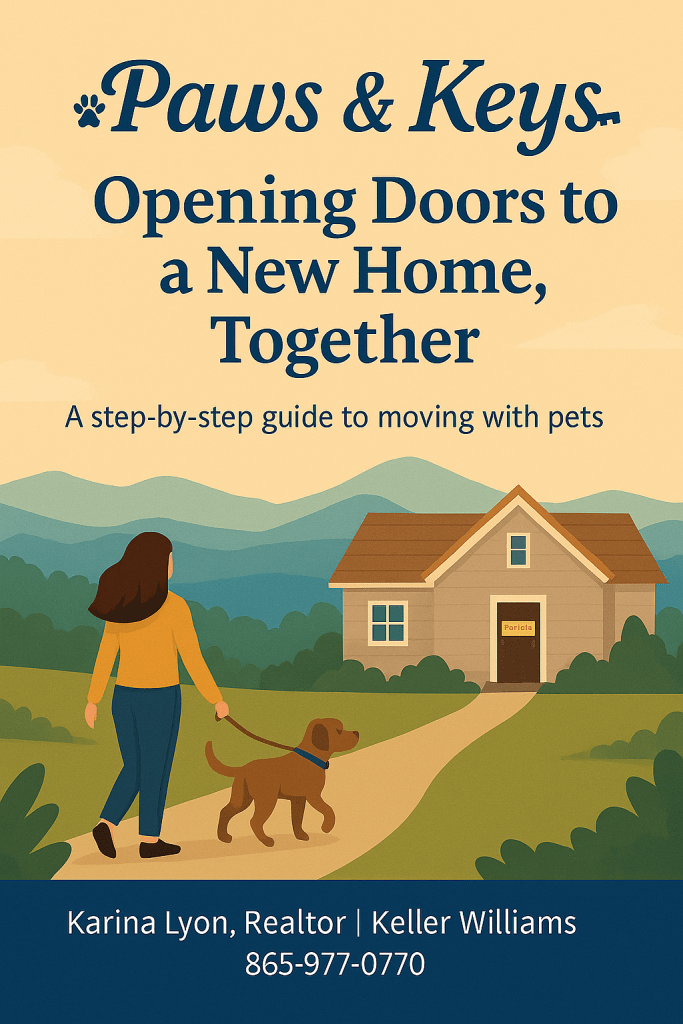
Every year, about 40 million Americans relocate — shifting houses, cities, and sometimes even states. And with them move millions of pets, each carrying their own anxieties and hopes into a new home. For us, moving often means boxes, trucks, and new keys. For our animals, it’s something far more personal — a complete shift in their safe space and routine.
Not every relocation story is about boxes, trucks, and house keys. One of the most unforgettable — and one you may have already heard — is the story of an elephant named Shirley.
Shirley’s life began in the wild, but she was captured as a calf and sold into the circus. For nearly 25 years, she lived a life of chains, harsh training, and endless travel under the big top. Her body bore the scars of that world: a dislocated leg that never healed properly after an accident, and a torn ear from a fight with another elephant. Despite the pain, Shirley endured it with a quiet dignity — a survivor in every sense.
When her circus days ended, Shirley was sent to a small zoo in Louisiana. There, she spent another 20 years. But she was the only elephant. For a species born to live in herds, to walk miles together, to comfort one another with trumpets and trunk touches, the years of loneliness must have been the deepest wound of all.
By 1999, the zoo finally acknowledged what Shirley needed most: companionship. Arrangements were made to relocate her to the Elephant Sanctuary in Hohenwald, Tennessee — a place built to give captive elephants the space and freedom they had long been denied.
Her journey required a custom trailer, padded with hay to cushion her injured leg. Caretakers watched nervously as Shirley approached, but she stepped inside without hesitation, almost as if she sensed that freedom was waiting.
When Shirley arrived at the sanctuary, something extraordinary happened. Among the elephants already living there was Jenny, a companion Shirley had briefly traveled with in the circus more than two decades earlier. No one knew if they would even remember one another.
But the moment they met, everything became clear. Jenny rushed to Shirley’s side. They trumpeted, touched trunks, and leaned against one another in what could only be described as an embrace. The reunion was so powerful that caretakers wept openly. After decades of loneliness, Shirley was no longer alone. She had found her herd, her family, her home.
From that day on, Shirley spent the rest of her years roaming green fields, splashing in ponds, and dozing in the shade with her companions close by. Her story is proof that relocation isn’t just about reaching a new place — it can mean rediscovering connection, healing old wounds, and finally coming home.
(Shirley’s story is preserved and shared by the Elephant Sanctuary in Tennessee, where she lived out her final years in peace.)
Not all relocation stories are about elephants. Some involve unusual companions — parrots, iguanas, even pythons — who rely on their humans just as deeply for stability and comfort. In every case, one thing remains the same: home is not about walls. It’s about belonging.
And then there are the everyday stories — the ones closest to us. Most of us are relocating with dogs and cats: the companions who curl up at our feet, greet us at the door, and sense every bit of change before we’ve even taped up a box.
When I moved with my own crew — Typhoon and his siblings— I quickly realized how deeply they felt the transition. Typhoon paced the house, clearly worried about every change — the shifting furniture, the growing stacks of boxes, the quiet tension in the air. Bonya, of course, had his own strategy: he leapt into every single box, determined to inspect and approve each one, as if making sure the most important things were packed to his liking. Luci, ever steady, stayed close, clinging to her routines and looking to me for reassurance.
As Antoine de Saint-Exupéry wrote in The Little Prince:
“You become responsible, forever, for what you have tamed.”
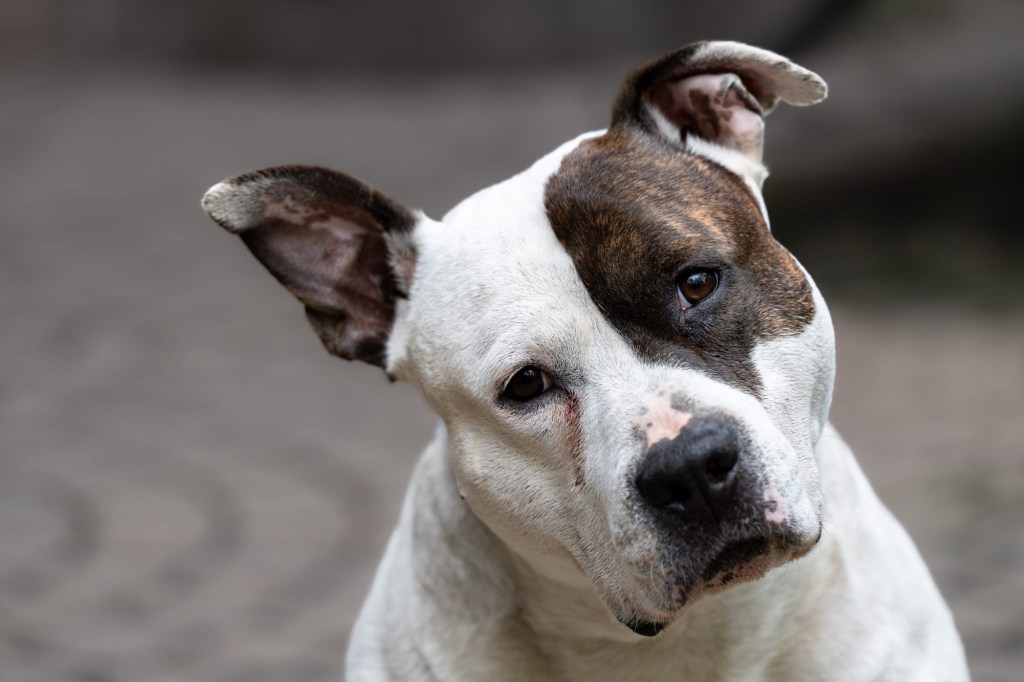
And that’s exactly why this guide exists — to help us care for those who depend on us most, step by step, paw by paw.
👀🐾 A Fun Note on Our Senses
Our senses shape the way we experience life in ways we often don’t even notice. Walk into a bakery, and before you see the display case, the smell of warm vanilla makes your stomach growl. Hear a single note of an old song, and suddenly you’re back in a moment you thought you’d forgotten. Even the sound of packing tape being pulled can trigger stress if you’ve moved before — proof that our senses quietly steer our emotions.
Now imagine what it’s like to experience the world as our pets do:
Dogs have up to 300 million scent receptors in their noses (compared to our 6 million). They can detect scents so faint it would be like noticing a single drop of perfume in a swimming pool. Cats hear sounds nearly three times higher in frequency than we can — which means while we’re blissfully unaware, they’re picking up on ultrasonic squeaks and every tiny shuffle in the house. And both dogs and cats rely on their whiskers like radar, sensing subtle changes in air and space that we couldn’t dream of noticing.
They don’t just see, smell, and hear their surroundings — they feel them.
That’s why, for pets, moving doesn’t begin when the truck arrives. It begins the moment a chair is shifted, when cardboard boxes appear, when the familiar scent of home is replaced with the sharp smell of tape and change.
And that’s where our story begins.
✨ Next up: Part 1 — “Paws Before Boxes,” preparing your pets before the packing even begins

 Real Hound Estates
Leave a comment